
The iGaming Edge: How Smart Players Approach Slots, Poker & Betting
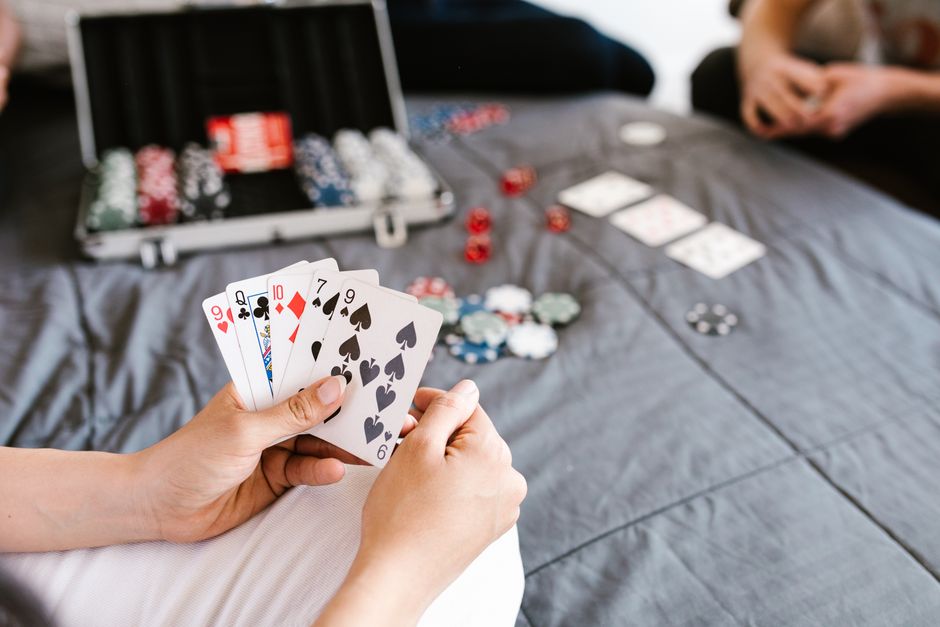
You’ve seen the flashy ads. The promise of a life-changing jackpot for the price of a coffee. But behind the neon lights and bonus offers, iGaming is a complex ecosystem of math, psychology, and strategy. Whether you’re spinning slots, grinding the poker tables, or betting on the big game, the difference between a recreational player and a consistent winner isn’t luck—it’s approach. This isn’t about secret systems or guaranteed wins. It’s about understanding the mechanics, managing your bankroll, and making decisions that give you the best possible shot. Let’s cut through the noise and look at how the sharpest players navigate this world.
Slots: More Than Just Pulling the Lever
Slots are the bread and butter of any casino, but they’re often misunderstood. Many players treat them as pure chance—which they largely are—but there’s a difference between playing randomly and playing smart. The key lies in volatility and return to player (RTP).
RTP is the theoretical percentage of all wagered money a slot pays back over millions of spins. For example, a slot with 96% RTP returns €96 for every €100 wagered over time. The house edge is the remaining 4%. But here’s the catch: RTP is a long-term average. In a single session, you could hit a massive win or lose your entire bankroll. That’s where volatility comes in.
High-volatility slots pay out less frequently but offer larger potential wins. Low-volatility slots pay smaller amounts more often. Your choice should depend on your bankroll and risk tolerance. If you’re playing with a €50 bankroll, a high-volatility slot might eat it in minutes. If you have €500 and want a shot at a life-changing sum, high volatility is your friend.
Practical Slot Tips:
- Check the RTP: Aim for slots with 96% or higher. Avoid anything below 94% unless you love the theme.
- Understand hit frequency: Some slots hit every 5 spins, others every 50. Match this to your patience level.
- Use bonuses wisely: Welcome bonuses often come with wagering requirements. Read the fine print—40x wagering on a €100 bonus means you need to bet €4,000 before withdrawing.
- Set a session limit: Decide in advance how much you’re willing to lose. Stick to it. No exceptions.
Poker: The Skill Game of iGaming
Poker is the one iGaming vertical where long-term success is genuinely possible through skill. But “skill” doesn’t mean knowing what beats what. It means understanding position, pot odds, and player tendencies. The best poker players aren’t gamblers—they’re decision-makers. We found สล็อตเว็บตรง to be a handy reference here.
Position is everything. Acting last gives you more information. If you’re on the button (last to act after the flop), you can see what everyone else does before deciding. That’s a massive edge. Tight-aggressive play—playing few hands but betting them strongly—is the foundation for most winning strategies.
Pot odds are your math compass. If there’s €100 in the pot and you need to call €10 to stay in, you’re getting 10:1 odds. If your chance of hitting your draw is better than 10%, it’s a profitable call. Over time, these small edges compound.
Bankroll Management for Poker:
- Separate your bankroll: Never play with money you can’t afford to lose. Your poker bankroll should be separate from rent money.
- Buy-in limits: For cash games, never buy in for more than 5% of your total bankroll. For tournaments, 2% is safer.
- Move down when losing: If you lose 20% of your bankroll, drop a stake level. Ego kills bankrolls.
- Track everything: Use a spreadsheet or app. You can’t improve what you don’t measure.
Sports Betting: Where Information Is King
Sports betting isn’t just about picking winners. It’s about finding value—when the odds offered are higher than the true probability of an outcome. Bookmakers set odds to balance their books, not to reflect reality. Your job is to spot when they’re wrong.
For example, if a tennis player has a 60% chance of winning according to your analysis, fair odds would be around 1.67 (in decimal). If a bookmaker offers 1.80, that’s value. Over hundreds of bets, that edge translates to profit. But you need a reliable method for estimating probabilities. That could be statistical models, expert insights, or simply knowing a sport inside out.
Betting Strategies That Work:
- Specialize: Don’t bet on everything. Pick a league or two and become an expert.
- Line shopping: Different bookmakers offer different odds. Always take the best price.
- Avoid parlays: They’re fun but the house edge compounds with each leg. Stick to straight bets.
- Manage your emotions: Chasing losses is the fastest way to bust. Take breaks.
The Psychology of iGaming: Staying in Control
Every game in iGaming is designed to keep you playing. Lights, sounds, and near-misses trigger dopamine. That’s not a conspiracy—it’s psychology. The smartest players recognize this and set strict boundaries.
One useful technique is the “session timer.” Set an alarm for 45 minutes. When it goes off, stop. Walk away. Review your session. Did you stick to your plan? Another is the “loss limit.” If you lose 30% of your session bankroll, quit. No “one more spin” mentality.
Also, never play under the influence of alcohol or strong emotions. Tilt—the state of frustrated, irrational play—is the biggest bankroll killer in poker and betting. If you feel angry or desperate, close the app.
Final Thoughts: Treat iGaming Like a Hobby, Not a Job
The harsh truth is that the vast majority of iGaming players will lose money over time. The house edge guarantees it. But that doesn’t mean you can’t enjoy it. The key is to treat it as entertainment, not an income source. Set a budget you’re happy to spend on a night out, and don’t exceed it. If you happen to win, great. If not, you paid for the thrill.
For those who want to take it more seriously—poker and sports betting offer a path to profitability for the disciplined few. But it takes work: studying, tracking, and constantly refining your approach. There’s no shortcut. The players who win are the ones who treat it like a mental sport, not a slot machine.
So next time you log in, remember: the game is rigged in the house’s favor. Your only edge is your knowledge, your discipline, and your ability to walk away. Master those, and you’ll be ahead of 90% of the crowd—whether you win or lose.
